Reading time: 4 MINUTES
Cook more in less time while maintaining texture, moisture, and consistency across every meal.
Meal prep and batch cooking are designed to save time, but the reality is that they often come with trade-offs in texture, moisture, and overall quality. Steam cooking changes that. Steam ovens help solve this by creating a more controlled cooking environment. With even heat distribution and reduced moisture loss, food cooks consistently across multiple portions and stays closer to its intended texture.
5 Common challenges with meal prep and batch cooking
Batch cooking is all about efficiency, but maintaining quality across multiple meals can be a challenge. Here’s why:
1. Food dries out during cooking or reheating
In dry heat environments, hot air continuously pulls moisture away from the surface of food. As water evaporates, it creates a gradient where the outer layers dry out faster than the centre.
During reheating, this effect is amplified. Already-cooked food has less moisture to begin with, so additional heat can quickly lead to further dehydration, resulting in tougher textures and reduced juiciness.
2. Inconsistent results across multiple portions
When cooking larger quantities, heat doesn't always reach all portions at the same rate. Airflow can be blocked between trays or dishes, creating hot and cool zones within the oven.
This uneven heat transfer means some portions may overcook while others are still catching up, making consistency difficult to achieve at scale.
3. Loss of texture over time
As cooked food cools and is stored, its internal structure begins to change. Proteins can tighten and expel moisture, while starches in foods like rice, pasta, or baked goods undergo retrogradation or reorganising and becoming firmer over time.
This is why meals that were soft and tender when freshly cooked can become dry, dense, or less appealing after storage.
4. Reheating affects flavour and quality
Reheating with dry heat can intensify these structural changes. Without added moisture, heat continues to pull water from the food while also tightening proteins and drying out surfaces.
This makes it difficult to restore the original texture, often leaving food overcooked on the outside before it is fully heated through.
5. Balancing efficiency with quality
Batch cooking prioritises convenience, but traditional cooking methods don’t always support consistency across multiple portions and over time.
Without control over moisture and heat distribution, maintaining both efficiency and high-quality results can be challenging.
Why steam cooking works for batch cooking
This is where steam cooking offers a different approach. By controlling both heat and moisture, it helps address these challenges and maintain better results across every stage of cooking.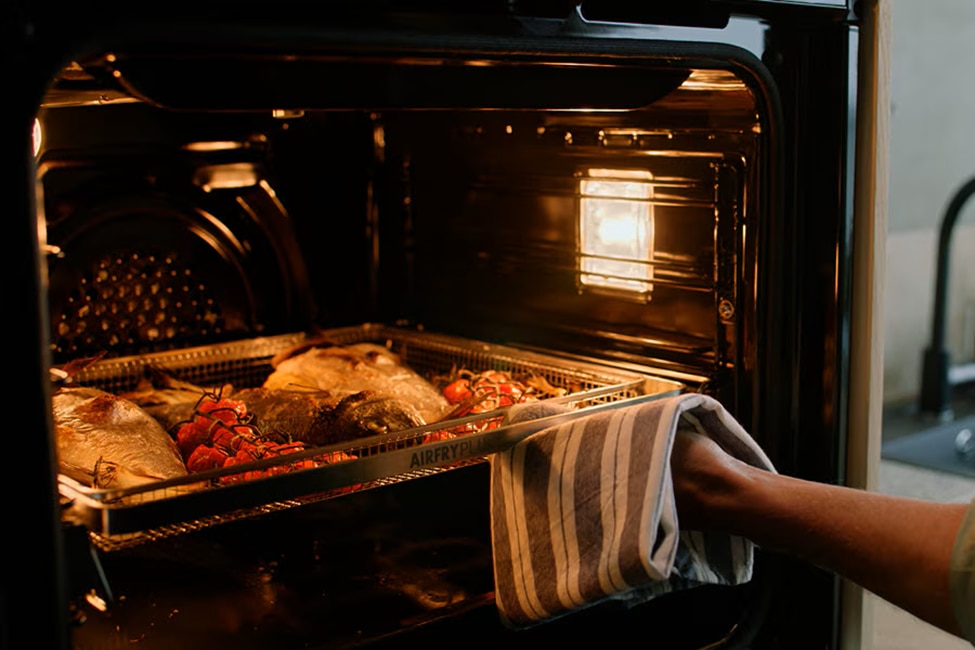
Moisture is retained throughout cooking and reheating
In a steam environment, the air surrounding the food is already humid, which reduces the rate of evaporation from the food itself.
This means less moisture is drawn out during cooking, and during reheating, steam can help reintroduce moisture to the surface. As a result, food retains more of its natural juiciness and is less likely to dry out over time.
Heat is transferred more evenly across multiple portions
Steam carries heat more efficiently than dry air and distributes it more uniformly throughout the oven cavity.
Because of this, heat reaches multiple dishes more consistently, even when cooking on different trays. This reduces hot and cold spots, helping food cook evenly across larger quantities.
Food structure is better preserved over time
By slowing down moisture loss during cooking, steam helps maintain the internal structure of food from the start.
Proteins are less likely to tighten excessively, and starch-based foods retain more of their original softness. This means meals hold their texture better during storage and are closer to their freshly cooked state when reheated.
Reheating restores rather than removes moisture
Unlike dry heat, steam reheating introduces moisture back into the food while gently raising its temperature.
This helps reverse some of the drying effects that occur during storage, allowing dishes to regain softness and consistency without overcooking the outer layers.
Efficiency and quality can be achieved together
By managing both heat transfer and moisture levels, steam cooking removes the typical trade-off between convenience and quality.
It allows you to cook larger quantities with greater consistency, while also ensuring meals retain their texture, structure, and overall quality over time.
What you can batch cook with steam
Steam cooking is well suited to batch cooking because it helps maintain consistency, moisture, and structure across multiple portions; making meals easier to store and reheat without compromising quality.
If you’re looking for ideas, explore our collection of steam cooking recipes to see how these techniques can be applied across different meals.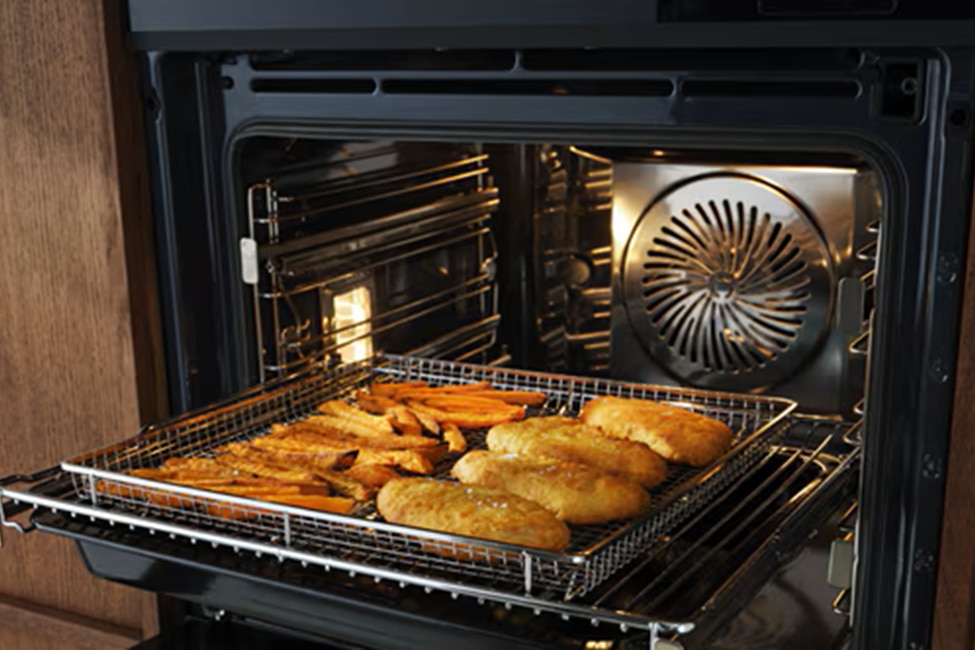
Breakfast staples that can be prepared ahead
Steam ovens work especially well for breakfast prep because they help foods retain moisture and texture, even after storage and reheating. This makes steam a practical option for:
- Big batches of oats or porridge that can be portioned across the week
- Eggs prepared in different ways for quick breakfasts or snacks
- Cooked bacon for adding to breakfasts, salads, or sandwiches
- Fruit compotes or roasted fruit that can be paired with yoghurt, granola, or baking
The benefit here is not just convenience. These are foods where texture matters, and steam helps them reheat or hold more successfully than many dry-heat methods.
Grains, pulses and sides that form the base of multiple meals
Steam cooking is particularly useful for these foods because controlled moisture supports even cooking and helps maintain a more consistent texture. In practical terms, that means:
- Rice that can be used as a side, in fried rice, or as a meal base
- Grains such as couscous for salads, bowls, or warm sides
- Pulses like chickpeas for soups, dips, salads, or quick protein additions
This kind of prep gives you flexibility: instead of committing to one finished meal, you can build several different meals from the same cooked base.
Vegetables that hold their structure better
Vegetables are one of the most useful categories to prep in advance, but they can also be one of the easiest to overcook or dull in storage. For batch cooking, steam cooking is able to support:
- Vegetables cooked and stored as ready-to-use meal components
- Roasted vegetables turned into soups, sauces, or purees
- Prepared vegetables frozen in portions for quick sides later in the week
This makes prep more efficient while still keeping meals varied.
Proteins that stay tender and reheat more successfully
Proteins are often where meal prep quality drops fastest, especially when they dry out in storage or become overcooked during reheating. This is where steam cooking offers a real advantage for batch cooking. It is well suited to:
- Chicken for salads, pasta dishes, wraps, bowls, or quick dinners
- Steak cooked ahead and then seared or sliced for sandwiches and salads
- Meatballs stored with or without sauce for different meals
- Larger make-ahead dishes like chili or pulled pork that benefit from moisture retention and reheat well
These foods are especially valuable for meal prep because they can be cooked once and used in multiple ways, instead of feeling repetitive.
Complete dishes that are easy to portion and store
Not every batch-cooking approach has to focus on separate components. Some dishes are ideal for preparing in larger quantities because they portion neatly and hold their quality well after refrigeration or freezing.
Here are a few ideas of dishes that can be made ahead, frozen in meal-size portions, and used later for easy lunches or dinners:
- Tray bakes and casseroles
- Pasta bakes or layered dishes
- Slow-style meat dishes portioned for later meals
Smarter meal prep with Electrolux steam ovens and induction cooking
Batch cooking becomes significantly more efficient when your appliances are designed to work together; helping you manage multiple dishes, timings, and cooking methods with greater control.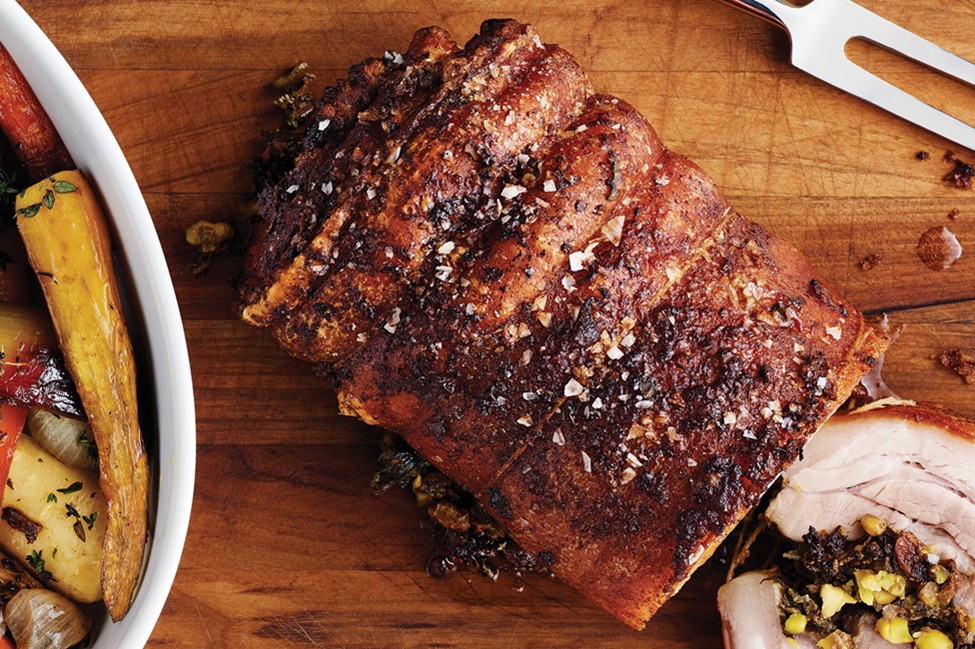
Cook multiple dishes evenly with steam oven functions
Electrolux steam ovens are designed to handle batch cooking by combining heat, steam, and airflow in a controlled environment.
Functions like SteamRoast allow you to cook proteins and larger dishes while retaining moisture, while SteamBake supports consistent results in baked dishes by introducing steam at key moments.
Since heat and humidity are distributed evenly, you can cook across multiple trays with more consistent results, making it easier to prepare several components at once.
Maintain quality from cooking to reheating
Steam doesn’t just improve the initial cook, it also supports better results when reheating meals.
By reintroducing moisture during reheating, steam helps restore texture rather than further drying food out. This makes it easier to prepare meals in advance and still enjoy them with consistent quality later in the week.
Faster weeknight workflows with steam and induction
For everyday cooking, combining a steam oven with an induction cooktop can help speed up meal preparation. Induction cooking responds instantly to temperature changes, making it ideal for tasks like searing, sautéing, or bringing ingredients up to temperature quickly before finishing in the oven.
Features such as SenseFry help maintain consistent heat for more precise cooking, while Bridge allows you to combine zones for larger cookware. With Hob2Hood, the hob and hood work together automatically, helping manage airflow while you cook.
Together, steam and induction create a more efficient workflow, allowing you to move from prep to cooking and finishing with greater control and less interruption.
Frequently asked questions when choosing integrated kitchen appliances
-
How does steam cooking help with meal prep?
Steam cooking helps maintain moisture during cooking and reheating, which allows food to retain its texture and consistency over time. This makes it easier to prepare meals in advance without them drying out.
-
Can I cook multiple meals at once in a steam oven?
Yes. Steam ovens distribute heat and moisture more evenly, allowing you to cook multiple dishes across different trays with more consistent results.
-
Does steam cooking make reheated food taste better?
Steam helps reintroduce moisture during reheating, which can restore texture and prevent food from becoming dry or overcooked. This makes reheated meals closer to their original state.
-
What types of meals are best for batch cooking with steam?
Steam cooking works well for a wide range of foods, including proteins, vegetables, grains, and baked dishes. It’s especially useful for meals that need to retain moisture and reheat well.
-
Can steam cooking help food stay fresh for longer?
By reducing moisture loss during cooking, steam helps food maintain its structure and texture. This can improve how well meals hold up during storage and reheating.
-
How does steam cooking improve consistency when batch cooking?
Steam transfers heat more efficiently and evenly than dry air, helping reduce hot and cold spots in the oven. This allows multiple portions to cook more uniformly.
-
Can I use a steam oven alongside other cooking methods?
Yes. Steam ovens can be used alongside other appliances, such as induction hobs, to prepare different components at the same time—helping streamline meal prep and improve efficiency.
