Reading time: 4 MINUTES
Integrated kitchen appliances are becoming an increasingly considered choice in modern kitchen design. By combining visual clarity with practical planning, they offer a refined way to create clean, space-efficient kitchen layouts.
In this article, we explore the role of integrated kitchen appliances in contemporary kitchens, looking at how they support thoughtful design, functionality, and overall cohesion when planning or updating a kitchen.
What are integrated kitchen appliances?
Integrated kitchen appliances are designed to sit neatly within kitchen cabinetry, creating a clean and cohesive look. Unlike freestanding appliances, which stand on their own, integrated appliances are fitted flush within the kitchen layout and often align closely with surrounding cabinetry and surfaces.
Common integrated appliances include ovens, rangehoods, microwaves, dishwashers, and cooktops. By being planned as part of the kitchen rather than added afterward, these appliances help create a more unified and considered space.
5 Benefits of choosing integrated kitchen appliances
As kitchen design continues to favour clarity and efficient use of space, integrated appliances are often chosen for their ability to support thoughtful layouts and a streamlined overall appearance, particularly in modern and open-plan kitchens.
Below are some of the key reasons integrated appliances are commonly chosen.
1. Efficient use of space
Integrated kitchen appliances are designed to fit neatly within cabinetry, helping to make better use of available space. By reducing gaps and visual breaks created by freestanding appliances, they support a more streamlined layout, which can be particularly beneficial in smaller kitchens or open-plan spaces.
2. Cohesive kitchen design
Available in a range of sizes and configurations, integrated appliances can be planned to align closely with surrounding cabinetry and surfaces. This allows the kitchen to read as a single, cohesive space rather than a collection of individual appliances, supporting a more considered overall design.
3. Easier upkeep
With fewer exposed surfaces to wipe down on a daily basis, cleaning integrated kitchen appliances typically focuses on the front-facing panels and the interior components. Freestanding appliances, on the other hand, require attention on all sides since they are fully exposed.
4. Longevity and durability
Integrated appliances are often selected as part of a longer-term kitchen plan. Built to sit securely within cabinetry and designed for regular use, they are commonly chosen for their durability and ability to perform consistently over time.
5. Flexible kitchen planning
Because integrated appliances are planned as part of the kitchen layout, they can be positioned to suit how the space is used. This includes options such as wall ovens placed at a comfortable height or dishwashers aligned with surrounding cabinetry, supporting a more practical and efficient kitchen arrangement.
Planning for an integrated kitchen
Once the decision to use integrated appliances has been made, the success of the kitchen depends on how well the layout is planned. Integrated kitchens rely on early coordination between appliance requirements, cabinetry, and everyday use to ensure the space functions comfortably and performs as intended over time.
Allow for proper ventilation and clearances
Even when appliances are built into cabinetry, they still require adequate airflow and clearance to operate safely and efficiently. Ventilation requirements vary by appliance type, so layouts should follow manufacturer guidelines to support consistent performance and reduce wear over time.
Plan around how the kitchen is used
A well-planned layout reflects how the kitchen is used on a daily basis. Frequently used appliances should be easy to reach, while cooking, preparation, and cleaning zones are positioned to reduce unnecessary movement. This helps create a kitchen that feels comfortable and efficient during regular use, not just visually refined.
Coordinate installation details early
Integrated kitchens depend on precision. Cabinet dimensions, appliance sizing, door alignment, and panel finishes all need to be planned together from the outset. Coordinating these details early helps ensure appliances sit flush within the cabinetry and reduces the risk of adjustments during installation.
A guide to choosing Electrolux integrated kitchen appliances for your home
When planning an integrated kitchen, selecting the right appliances is an important part of the overall layout and functionality. Electrolux offers a range of integrated kitchen appliances designed to sit neatly within cabinetry while supporting everyday cooking and cleaning needs.
Below are key Electrolux integrated appliance categories to consider when planning or updating your kitchen.
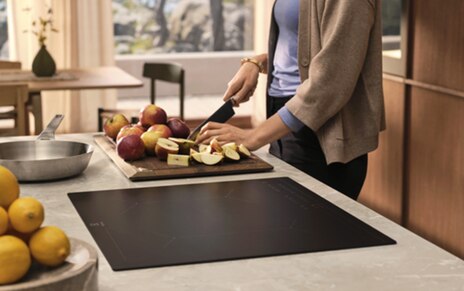
Integrated cooktops
Electrolux integrated cooktops are available in gas, induction, and ceramic options to suit different cooking styles. Selected models include SenseFry® technology to maintain consistent pan temperatures and reduce the risk of burning. The Bridge function lets you combine two zones for larger cookware, while Hob2Hood® technology automatically adjusts a compatible hood based on cooking activity. Flat glass or ceramic surfaces also make cleaning quick and straightforward, supporting a clean, streamlined kitchen layout.
Integrated ovens
Electrolux integrated ovens are designed to support a wide range of cooking styles. Select models feature SteamBake®, which adds humidity at the beginning of the baking process for better rise and texture, while SteamPro® offers more advanced steam functions for precise moisture control. For easier maintenance, AquaClean uses steam to loosen grease and residue, making cleaning simpler after each use. Built seamlessly into cabinetry, these ovens combine versatility, convenience, and a streamlined kitchen aesthetic.
Integrated microwave ovens
Designed to fit neatly within the kitchen layout, integrated microwave ovens support quick reheating and everyday cooking tasks. Some models also offer additional functions such as grilling or convection cooking, providing added flexibility within a compact format.
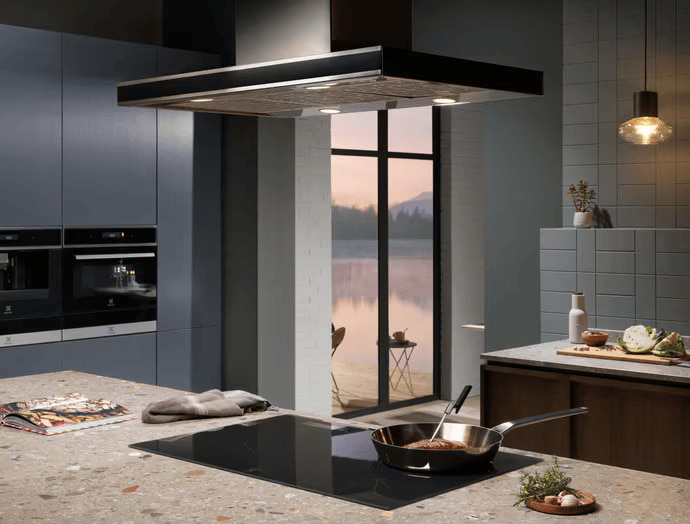
Integrated rangehoods
Integrated rangehoods are planned as part of the kitchen layout to support effective air extraction while maintaining visual clarity. Features such as adjustable extraction levels and integrated lighting help improve visibility and comfort during cooking, particularly in open-plan spaces.
Integrated dishwashers
Electrolux integrated dishwashers are designed to sit discreetly within cabinetry while supporting efficient cleaning. Features such as load-sensing programs and flexible internal layouts help accommodate different dish sizes and everyday washing needs, making them a practical choice for integrated kitchens.
Integrated appliances, designed for streamlined kitchens
Integrated kitchen appliances are often chosen for the way they combine thoughtful design with well-considered functionality. By sitting neatly within cabinetry, they contribute to visual clarity while offering features designed to support everyday cooking and cleaning.
When planned as part of the overall kitchen design, integrated appliances help create efficient layouts and a cohesive look, without compromising on performance or capability. Each appliance is designed to perform strongly on its own, while also working naturally within the kitchen as a whole.
Electrolux offers a range of integrated kitchen appliances that reflect this balance, combining refined design with purposeful features for contemporary kitchens.
Frequently asked questions when choosing integrated kitchen appliances
-
Can integrated appliances be added to an existing kitchen?
In some cases, yes. Whether integrated appliances can be added to an existing kitchen depends on available space, cabinetry design, and installation requirements. Careful measurement and planning are important, and some adjustments to cabinetry may be required.
-
Do integrated appliances work with all kitchen cabinets?
Not always. While many integrated appliances are designed to fit common cabinet dimensions, compatibility depends on the appliance type, ventilation requirements, and installation method. It’s important to review specifications when planning an integrated setup.
-
Are integrated appliances better than freestanding appliances?
Integrated appliances and freestanding appliances serve different needs. Integrated appliances are often chosen for visual consistency and layout planning, while freestanding appliances offer flexibility and easier replacement. The right option depends on how the kitchen is designed and used.
